
Mike J. Masoud | October 19, 2026
A board of directors may consist of accomplished, independent, and highly respected individuals. But what happens when none possesses sufficient knowledge to question the financial, operational, and governance information presented by management?
Consider two boards facing comparable corruption risks.
Both review financial statements, receive audit reports, consider management’s assessment of internal control, and approve decisions involving significant financial and operational exposure.
On the first board, one or more directors possess relevant knowledge of financial reporting, fraud and corruption risks, auditing, internal control, money laundering, and governance accountability.
They can recognize warning indicators, challenge assumptions, evaluate explanations, and request evidence before accepting management’s conclusions.
On the second board, no member possesses sufficient knowledge in these areas.
Its directors may be equally honest, experienced, and committed to the organization’s success. Nevertheless, they may be less capable of recognizing what is missing from management’s explanations or identifying questions that should have been asked.
Does this difference affect the boards’ collective corruption exposure?
There are sound reasons to expect that it can.
The issue is not whether knowledgeable directors can guarantee better outcomes. They cannot. Nor does the presence of one competent director automatically make an entire board effective.
What matters is whether relevant knowledge is exercised through informed questioning, evidence-based deliberation, appropriate decisions, and effective follow-up.
Consider three fundamental questions:
- Can the board recognize significant corruption-related risks in the information presented to it?
- Can its members distinguish reliable evidence from unsupported management assurances?
- Can the board translate its findings into appropriate oversight decisions and corrective action?
A board that cannot perform these functions may remain vulnerable even when it has formal governance structures, approved policies, and independent advisers.
The central issue is not simply who sits in the boardroom. It is whether the board collectively possesses and exercises the competence required to discharge its responsibilities.
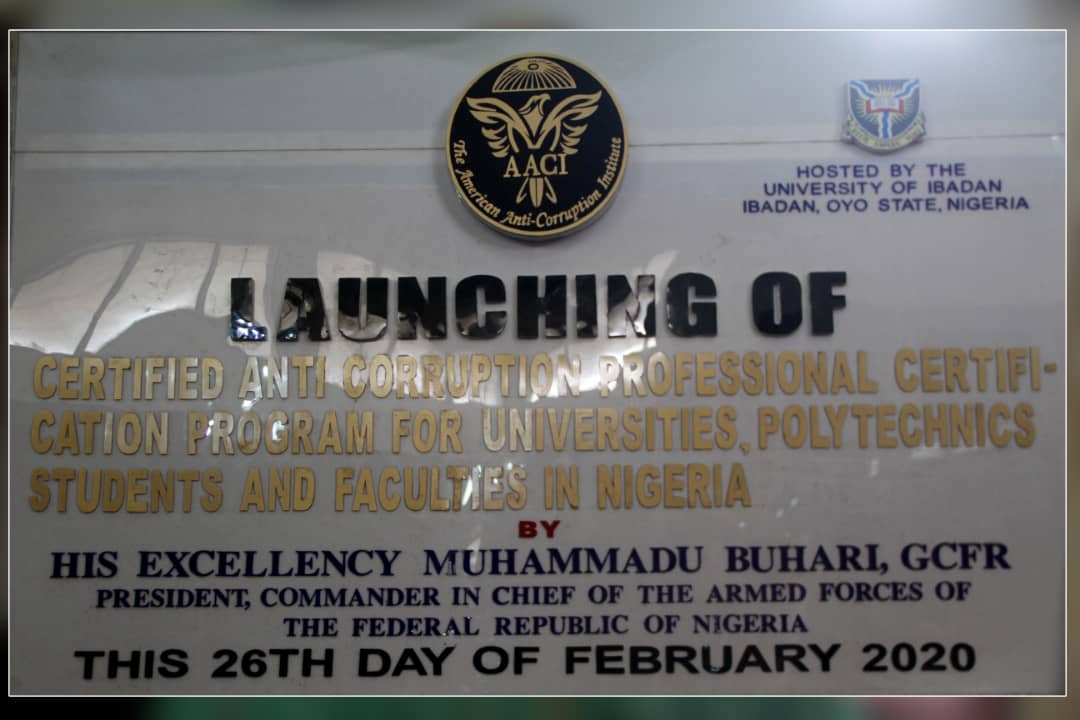
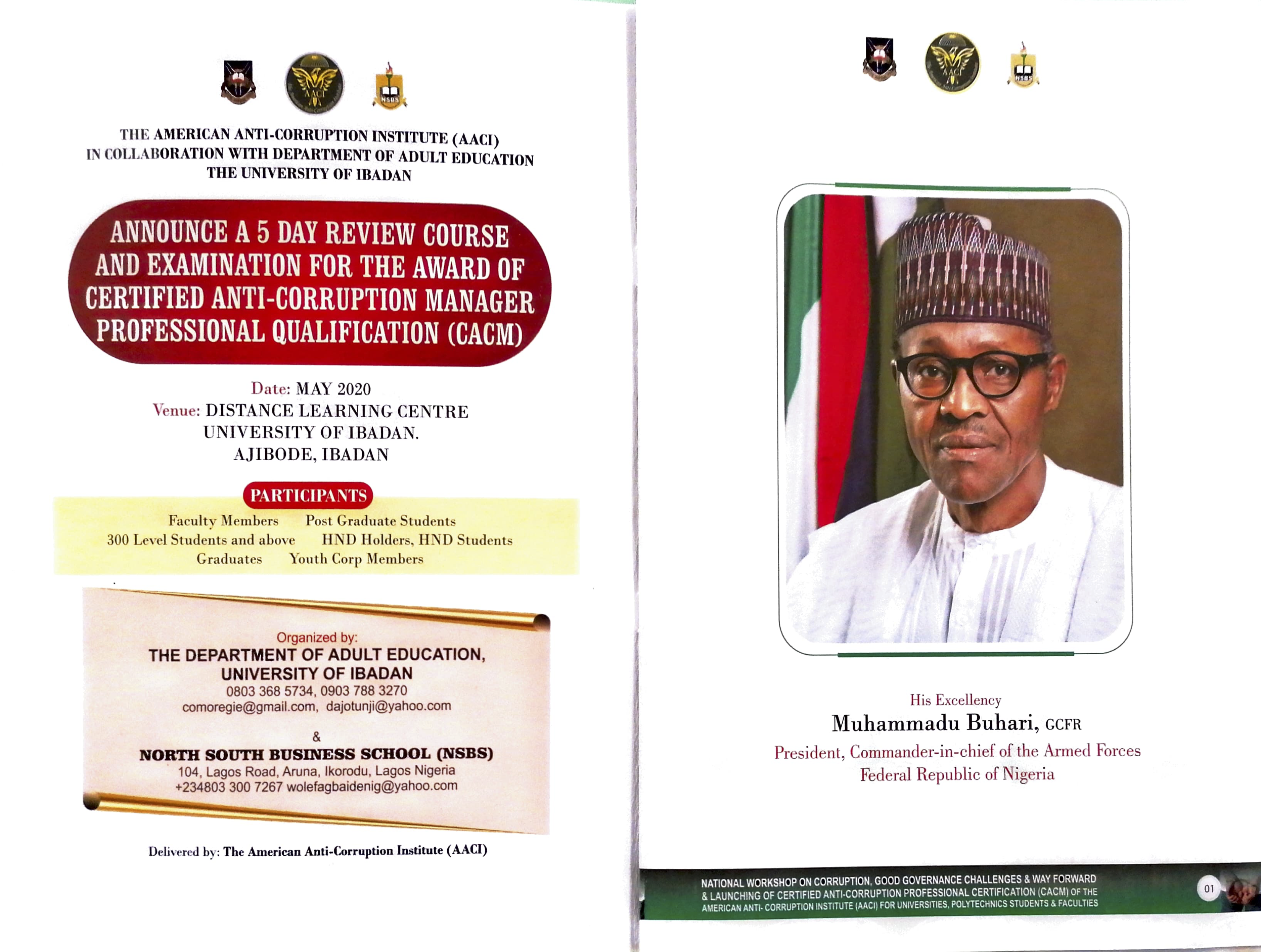
This reasoning is central to the original development of the Certified Anti-Corruption Manager (CACM) body of knowledge at The American Anti-Corruption Institute (AACI). Its multidisciplinary approach reflects a fundamental governance concern: those entrusted with significant decision-making authority need sufficient knowledge and judgment to understand, question, and evaluate the risks they are responsible for overseeing.