The American Anti-Corruption Institute (AACI) equips executive management and those charged with governance with the knowledge and skills required to prevent fraud and corruption. Through premier certification programs for individuals and entities, the Ten Principles of Fighting Corruption, and the Standards on Fighting Corruption (SFCs), The AACI strengthens anti-corruption judgment, institutional accountability, and smarter decision-making worldwide.
Where Should a Country Start When Corruption Is Widespread?
A 10-question diagnostic challenge based on The AACI’s five-part series on where serious anti-corruption reform should begin. Test your judgment on the right starting points, institutional foundations, oversight mechanisms, and accountability conditions that distinguish serious reform from performative reform.
- A Nation Cannot Fight What It Has Not Defined
- Why No Country Can Fight Corruption Without the Right Institutional Foundations
- Where Should a Country Start When Corruption Is Widespread?
- Why Anti-Corruption Efforts Fail Even When the Language Sounds Perfect
- What Serious Countries Should Do If They Want Citizens to Feel the Results
Anti-Corruption Certification Programs for Individuals
The AACI provides the following premier certification programs for individuals:
1. Certified Anti-Corruption Manager (CACM)
2. Certified Anti-Corruption Fellow (CACF)
3. Certified Anti-Corruption Expert Manager (CACEM)
4. Certified Anti-Corruption Leader (CACL)
Anti-Corruption Certification Programs for Entities
For entities, The AACI provides the Certified Anti-Corruption Entity (CACE). At the core of this institutional diagnostic is the Corruption Prevention Management Test (CPMT), an online assessment available only to organizations seeking anti-corruption certification. Its primary objective is to quantify an entity’s exposure to fraud and corruption.
The Ten Principles of Fighting Corruption
The AACI promulgated the Ten Principles of Fighting Corruption, accompanied by its Standards on Fighting Corruption (SFCs), to form an internationally accepted framework for fighting corruption effectively, efficiently, and intelligently. Together, they help stakeholders:
1. Support international efforts to lower corruption risks to acceptable levels.
2. Promote consistent practice and support effective responses to identified corruption risks.
3. Assess and evaluate the entity’s commitment to fighting fraud and corruption.
Transparency, Independence, and Integrity
The AACI is a private institute that does not follow the United States government or any of its agencies, directly or indirectly. To preserve its integrity, objectivity, and independence, The AACI does not accept donations or financial support from any individual or entity. It operates from Tempe, Arizona, and whenever it provides services outside the United States, it respects United States regulations and the laws and sovereignty of foreign states.
Prevention. Prevention. Prevention.
The AACI maintains that prevention is the strongest line of defense against corruption. For that reason, it develops targeted educational programs that strengthen decision-makers’ knowledge, sharpen professional judgment, and help institutions stop corruption at its earliest stages.
Drawing on the Ten Principles of Fighting Corruption and the Standards on Fighting Corruption (SFCs), The AACI equips decision-makers with foundational knowledge in internal control, governance, fraud and corruption, money laundering, financial statement fraud, whistleblowing, effective decision-making, and corruption prevention policies.
Anti-Corruption Certification, Learning Programs, and Innovation
The AACI reinforces its certification programs through specialized learning programs in anti-corruption and fraud, governance, internal control, whistleblowing, effective decision-making, the role of executive management and those charged with governance, and auditing and accounting from a management perspective.
The institute also collaborates with universities worldwide, conducts field research, participates in and organizes international conferences, and provides advisory services in the design, oversight, implementation, and evaluation of corruption prevention policies. Since 2013, The AACI has operated in many countries through local strategic partners.
The AACI Assistant — Powered by ChatGPT
Your Questions. Our Expertise. Available 24/7 in Your Language.
Get instant answers about CACM, CACF, CACEM, CACE, and The AACI’s global anti-corruption programs — anytime, in your own language.
Ask in Arabic, English, French, or more, and receive accurate AACI-approved responses instantly.
The American Anti-Corruption Institute (AACI)
Together, Empowering Tone at the Top

Click here for an overview of The AACI. You may also download its PowerPoint presentation (PDF)
The AACI’s Official Blog
This site is the official blog of The American Anti-Corruption Institute (AACI). It is an integral part of The AACI’s Media and Public Relations Dept. We also publish here our and others news, opinions, research, and white papers.
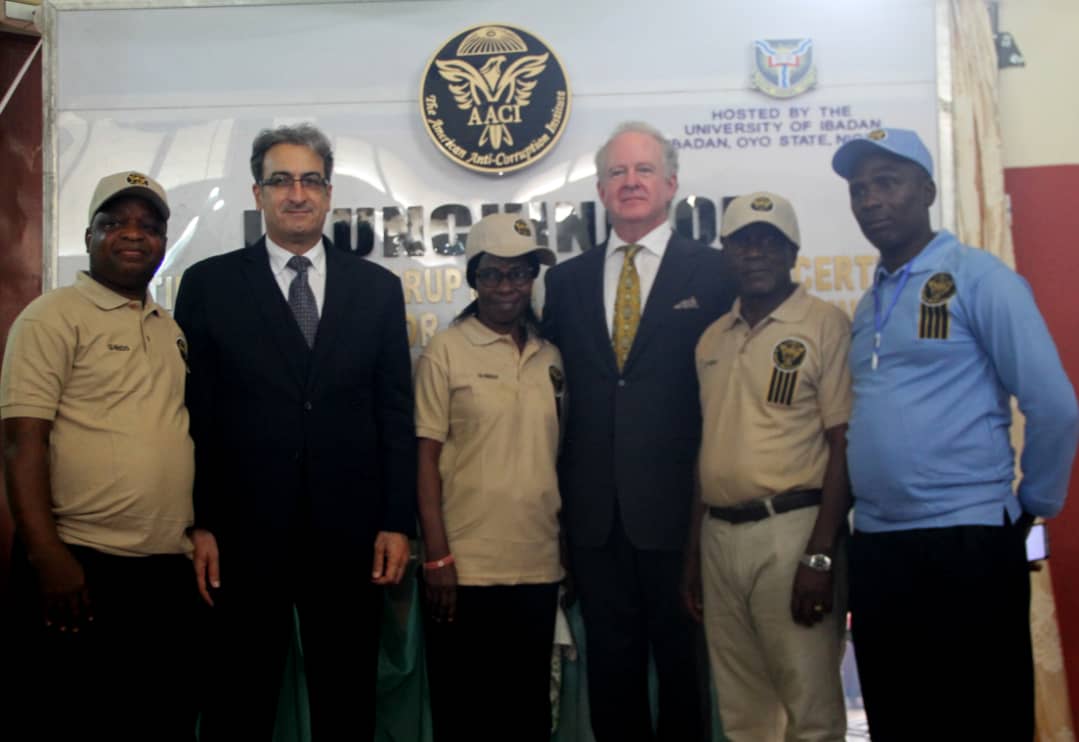
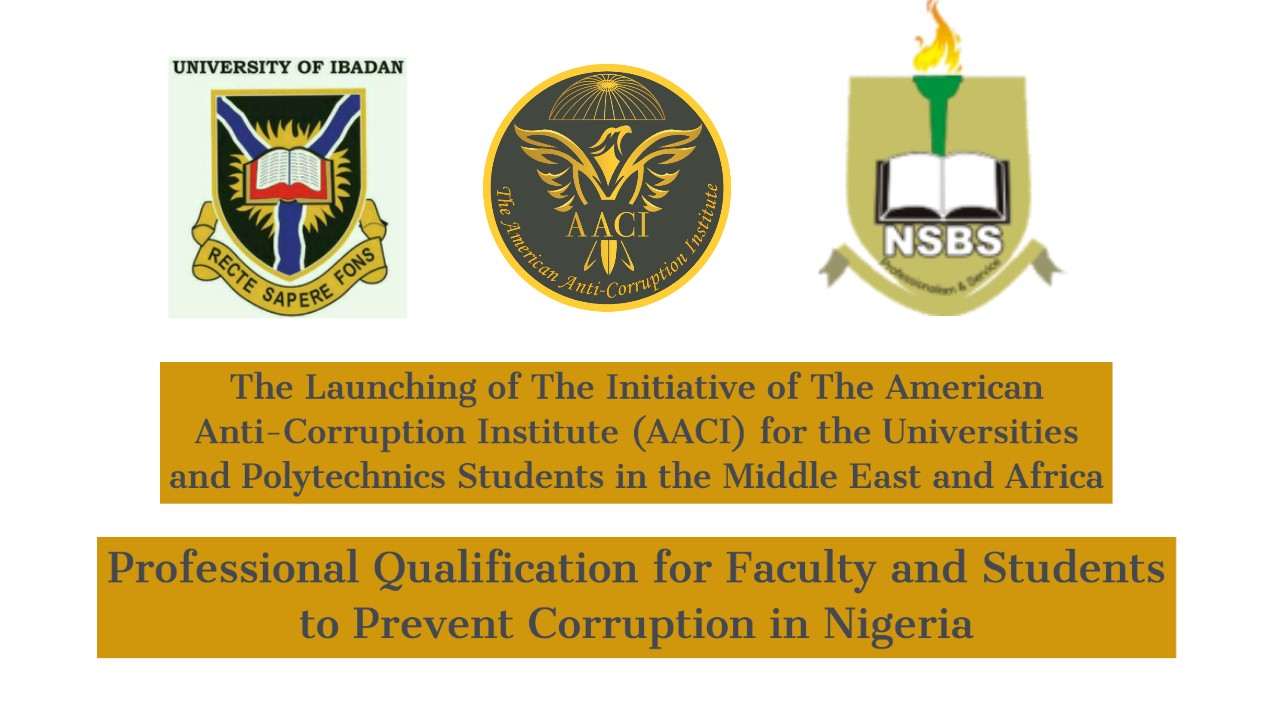
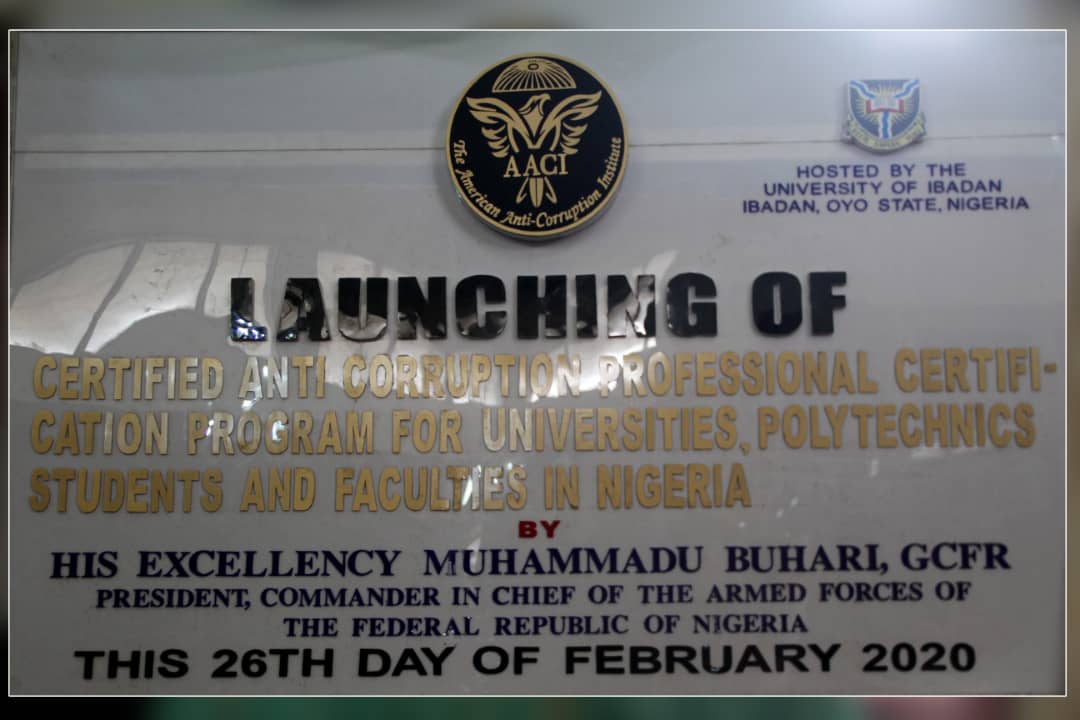
Launching The AACI’s University Initiative in Africa


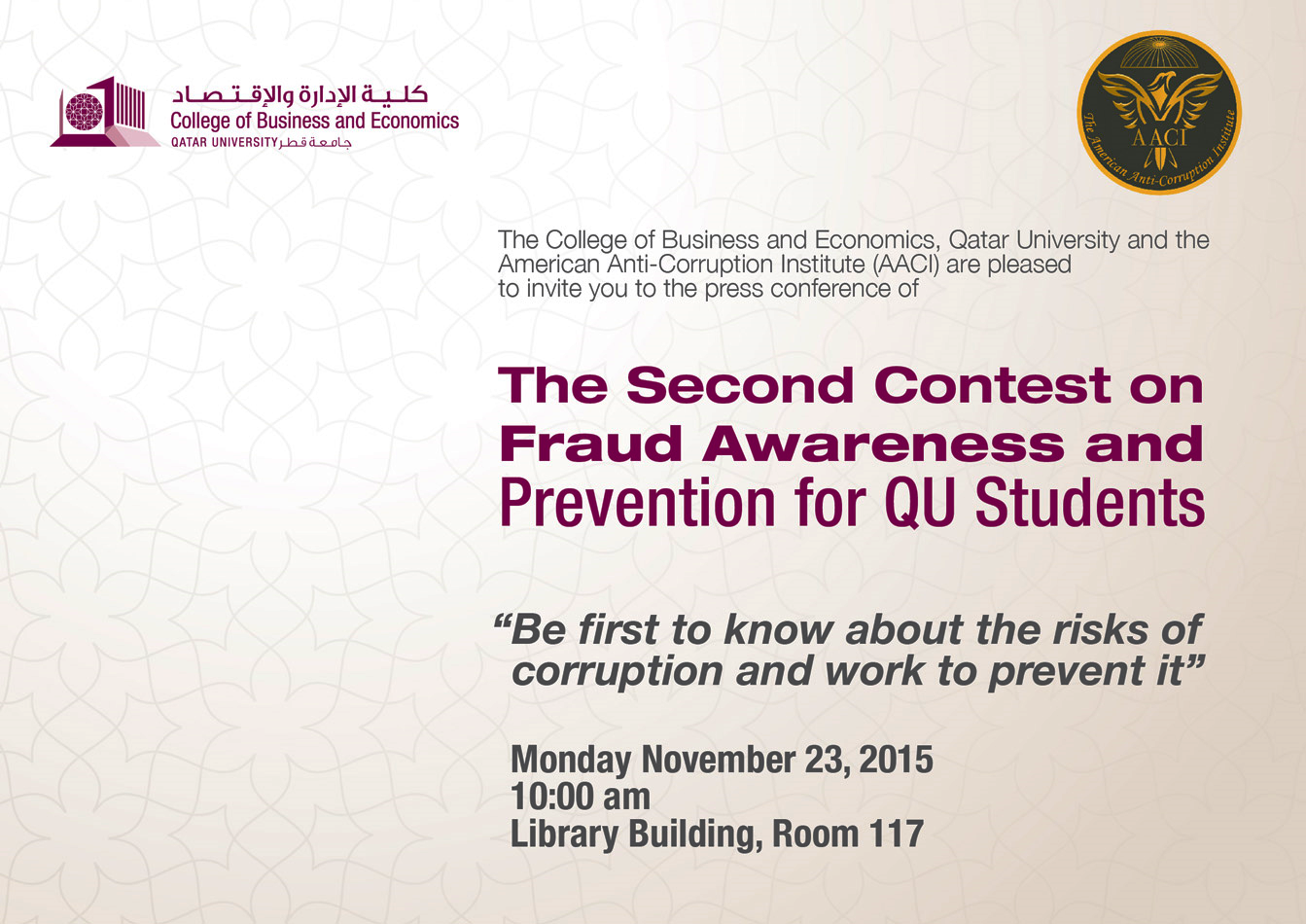
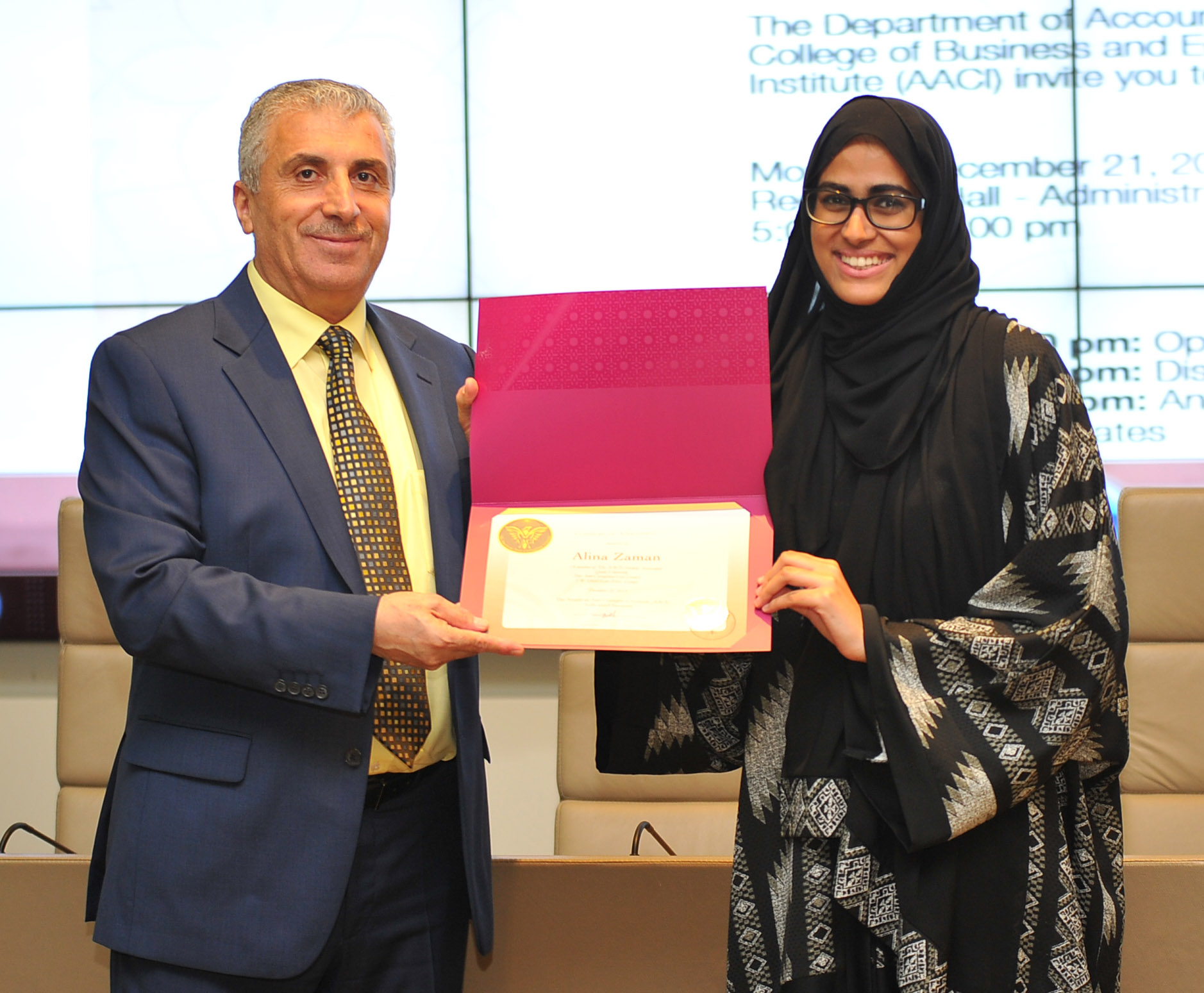
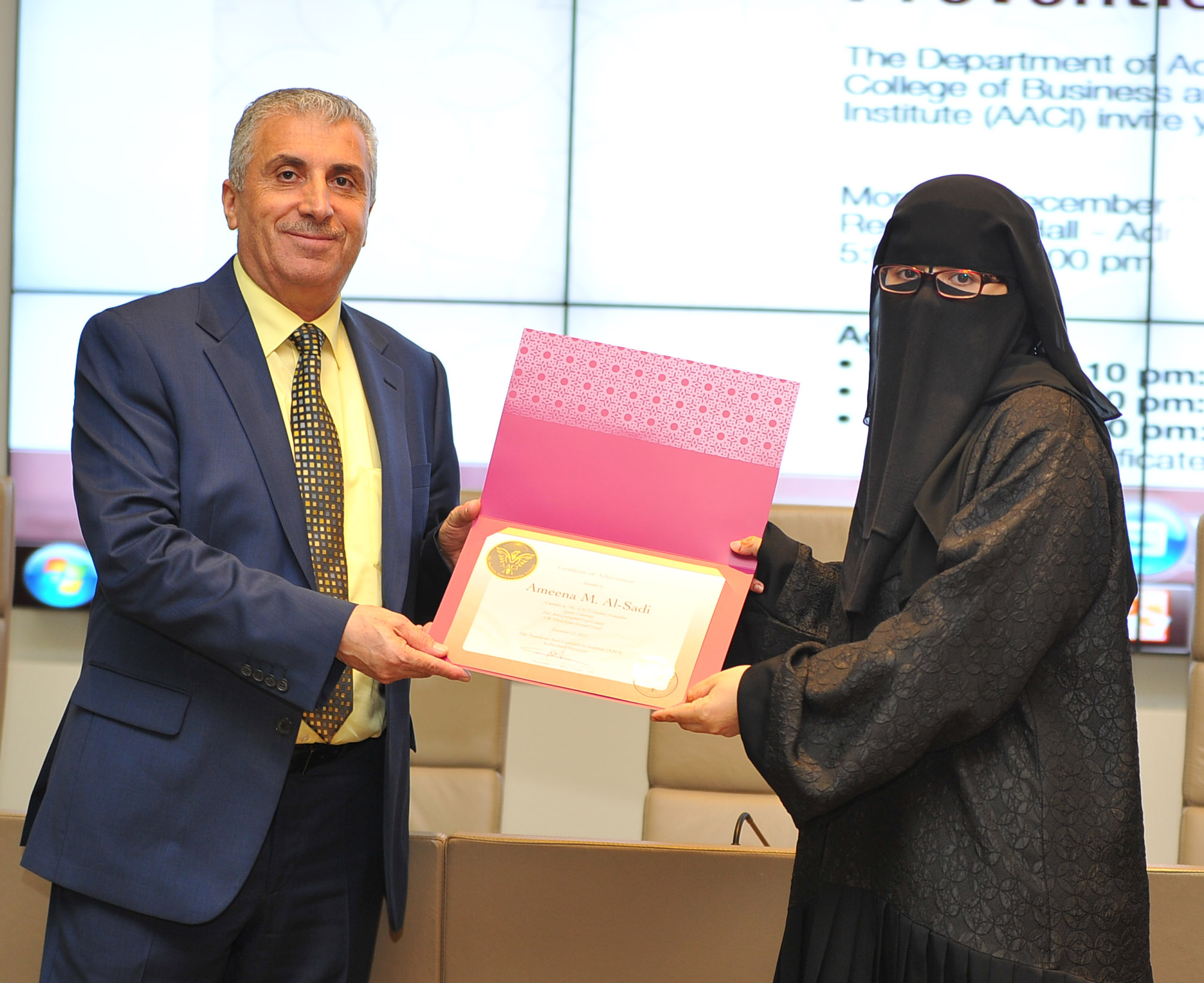
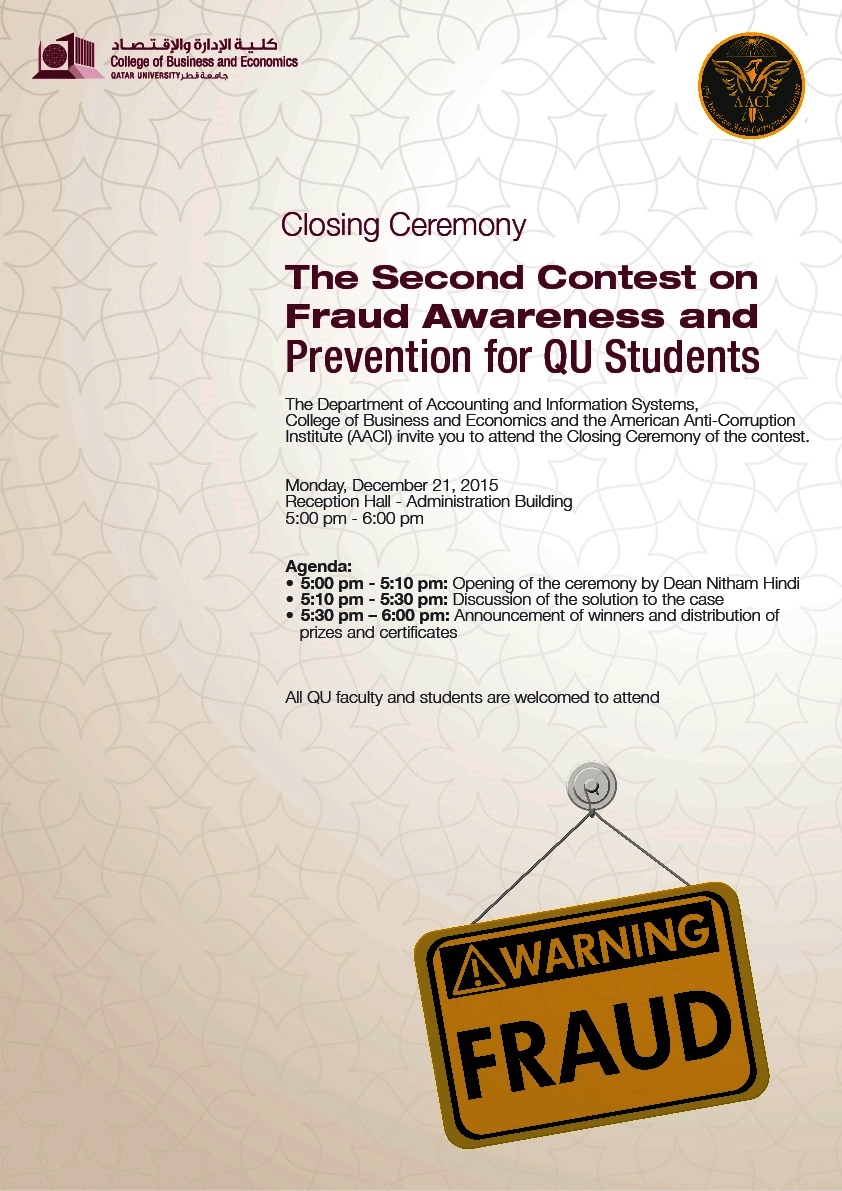
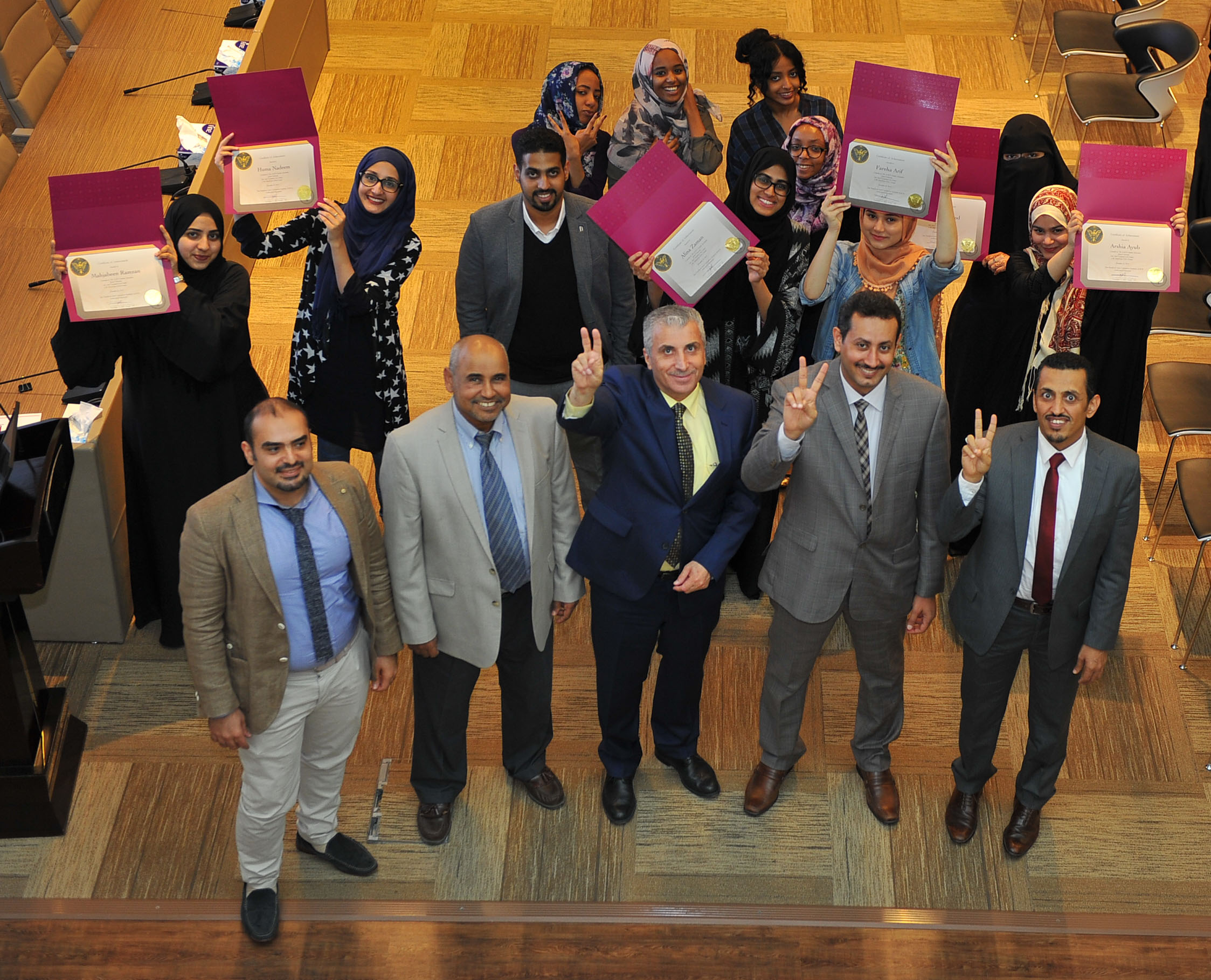
Anti-Corruption Case Contests at Qatar University
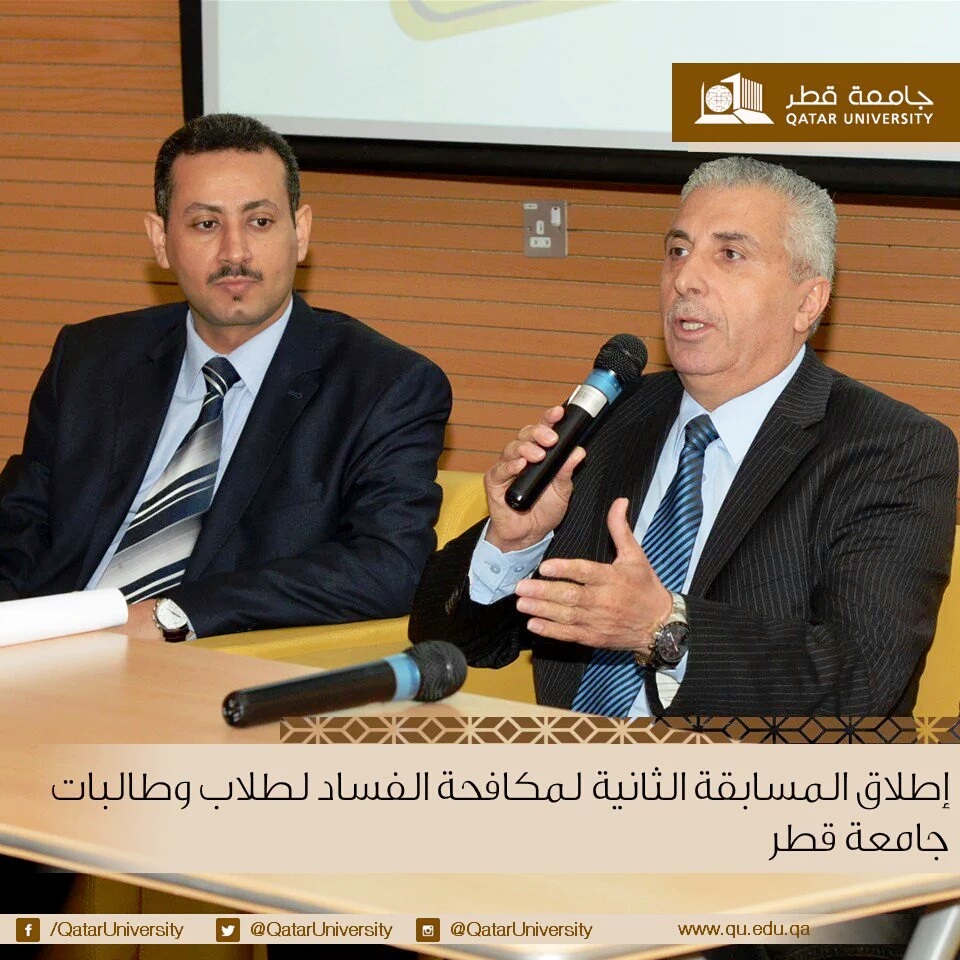


The AACI in Qatar, 2013
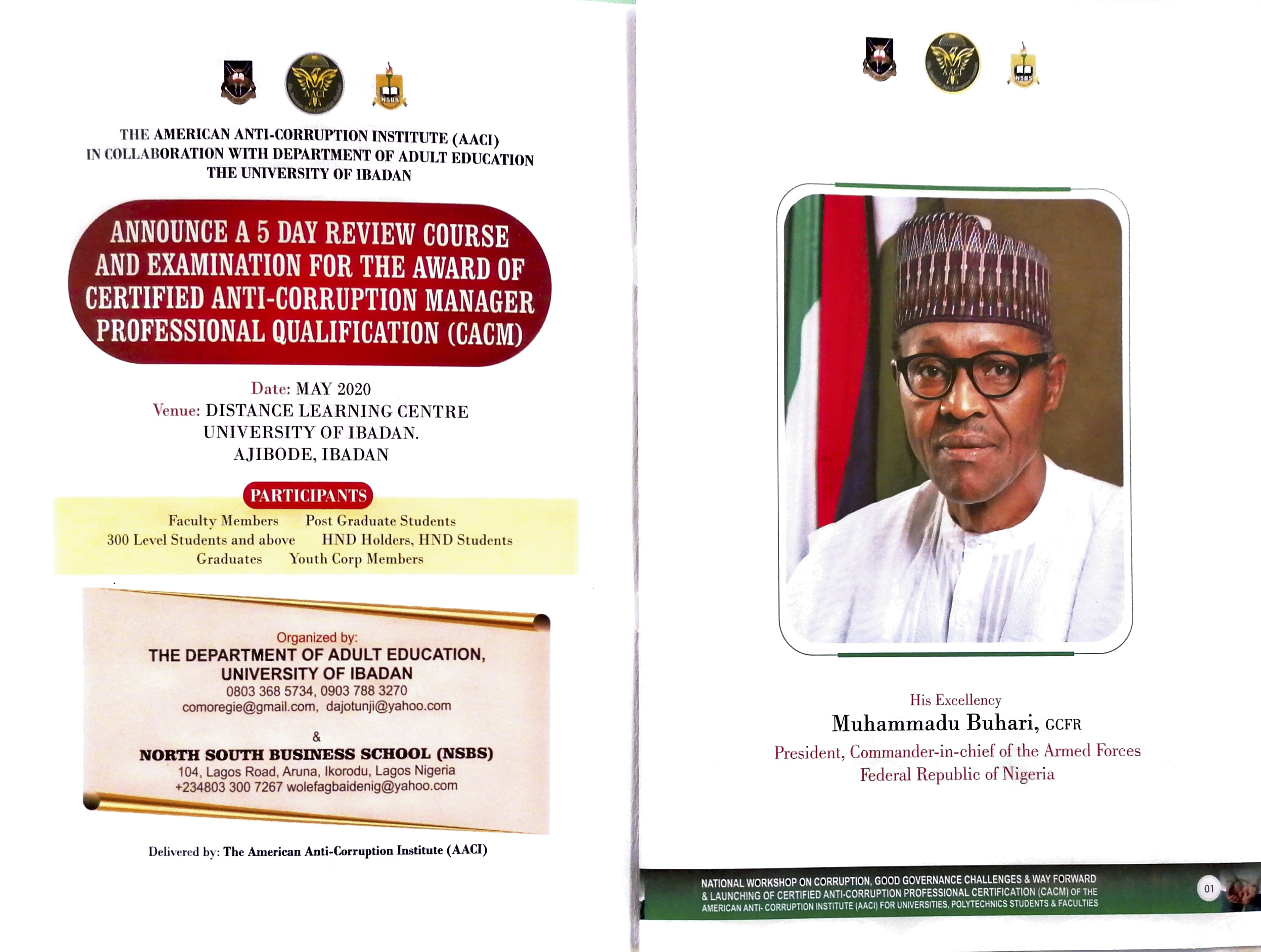
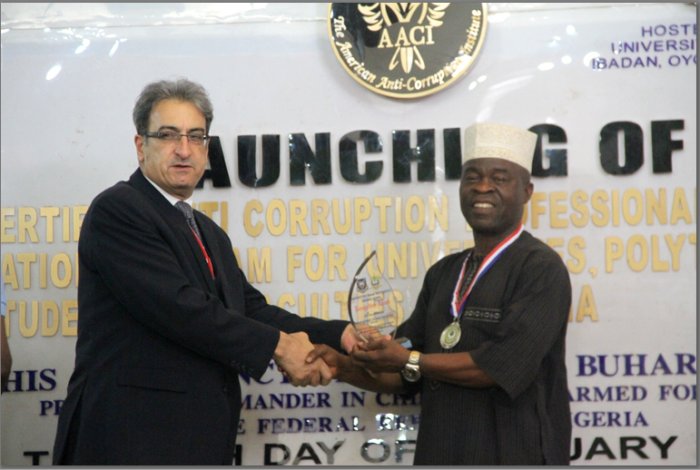
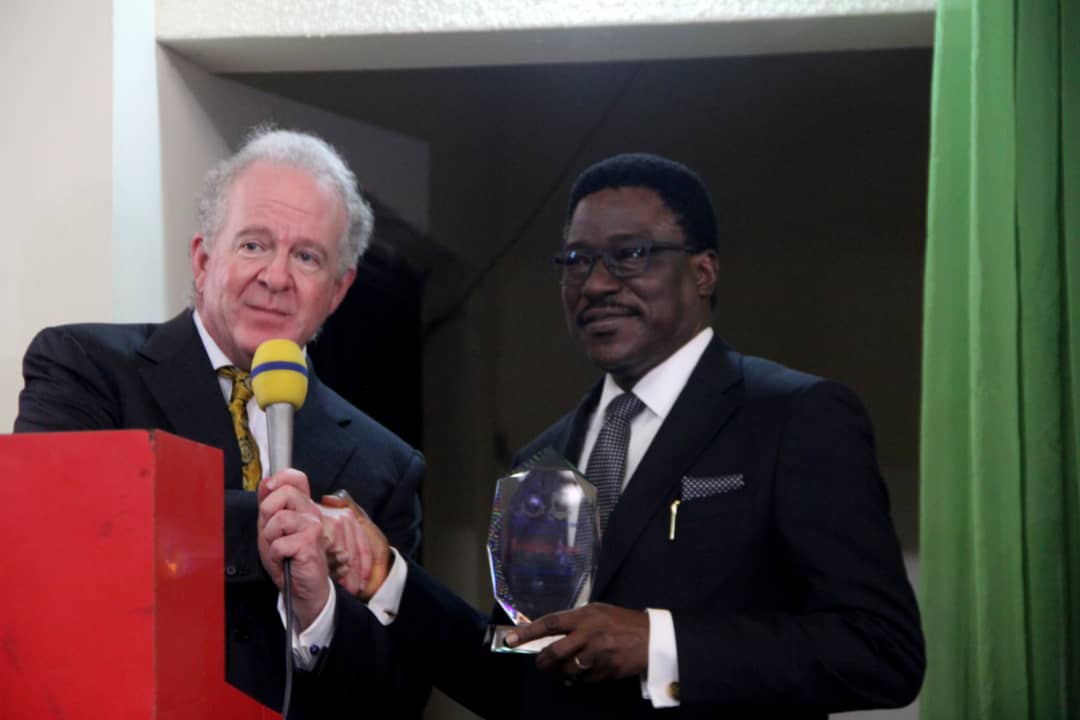
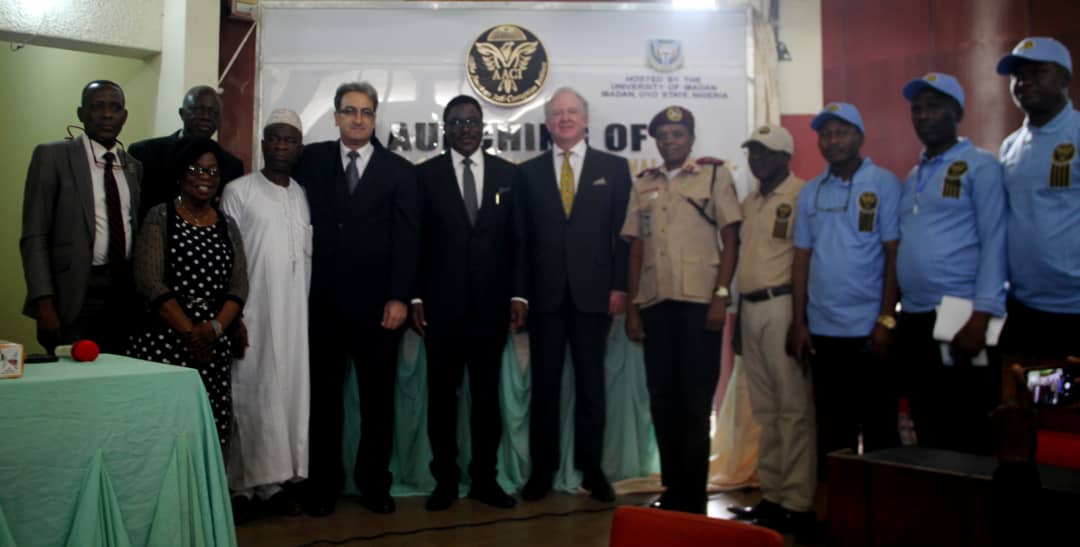
University of Ibadan: The First African University Leading the Fight Against Corruption
Recent Posts
The AACI’s View
They are the official opinions of The American Anti-Corruption Institute (AACI). Our vision, mission, and code of ethics provide the guidelines for our views. When we issue an opinion or express our perspective on a relevant matter, we expressly state that this is The AACI’s view. We publish our beliefs, ideas, and attitudes on our websites (theaaci.com, theaaci.net, and theaaci.org), The AACI official blog, and The AACI social media accounts ( Facebook, Twitter, and Instagram)
Certified Anti-Corruption Manager (CACM)
CACM Review Course and Exam
University of Ottawa


Opinions
The AACI publishes opinions and contributions written by some of its employees, management, and directors. It also publishes contributions from other experts, academicians, and professionals.
Views and opinions expressed under “Opinions” of this blog or at The AACI’s website are those of the authors and do not necessarily reflect the official policy or position of any other agency, organization, employer or The American Anti-Corruption Institute (AACI).

Categories
Archives
Anti-Corruption Resources (Arabic)
- المعهد الأمريكي لمكافحة الفساد
- ترخيص المؤسسات للوقاية من الفساد
- قواعد الشفافية والحماية من الفساد وتأثيرها على توفير بيئة تشريعية داعمة لقضايا المرأة
- مدير مؤهل لمكافحة الفساد
- مصادر بالعربية:مأسسة الوقاية من الفساد
- نشر المعرفة المتخصصة والإستثمار في الوقاية من الفساد
- الدور الفعّال للقطاع الخاص في الوقاية من الفساد
- دور مجلس الإدارة والإدارة التنفيذية في الوقاية من الفساد والاحتيال
- دور الجامعات العربية في الوقاية من الفساد
- المواطن العربي البسيط : مدير مؤهل لمكافحة الفساد
- الفساد في القطاع الصحي: الشرق الأوسط وشمال إفريقيا
- سيادة القانون: الفجوة ما بين الإرادة السياسية والتطبيق
- الحوكمة في قطاع الخدمات الصحية
- مكافحة الفساد بين الواقع والمأمول