October 24, 2022Technical Staff An examination of inspection data finds that US regulators were twice as likely to discover flaws in audits completed by KPMG’s overseas affiliates as those performed by any other Big Four accounting firm. The Public Company Accounting Oversight Board ramps up enforcement and intends to hold […]

October 16, 2022Mike J. Masoud On June 16, 2022, I wrote an article titled “Conflict of Interests: Prevention is better than cure.” and published it on The AACI’s official blog. I stated in the said article the following: When a person runs for public office, he must give up his […]

Setting the tone at the top of what is acceptable and not acceptable sets the boundaries of expected behavior and conduct. Those charged with governance and executive management are responsible for establishing proper and adequate policies that encourage honesty and reward integrity. For example, when a company establishes a well-written whistleblowing policy, it should encourage all stakeholders to report wrongdoing. However, organizational leadership should be vigilant and have effective communication with management, employees, and other stakeholders.
Engaging Students in Fighting Corruption
Regardless of the existence of corruption, students should understand the basics and characteristics of corruption. They should learn about corruption schemes and their damages. They should also learn how to deter and prevent corruption.
Benefits of Engaging Students
An effective student engagement strategy should achieve the following goals:
Evidence shows that when an individual believes that he is being watched, he makes sure that his behavior complies with what is expected of him. For example, it is more likely than not that students do not cheat on exams when they believe that they are being watched by humans or cameras. When deterrence is professionally designed and implemented adequately, its monetary and non-monetary savings are remarkable. But the effectiveness of deterrence depends on three components.
The judicial branch of government is essential to good governance in a modern democracy. Furthermore, The American Anti-Corruption Institute (AACI) has established an independent and effective judiciary as a Principle of Fighting Corruption. When the judiciary in any country is sluggish, it is a bad omen and one of the most significant barriers to combating corruption. The corruption of the judge himself is one of the most serious forms of corruption in the judiciary. However, the reasons for judicial corruption are numerous and sometimes complex.
Blockchain Helps with Corruption Deterrence and Prevention.
Preventing fraud and corruption is an evolving and complex challenge. It requires vigilant leadership and an effective board to ensure that policies are updated continuously, all employees are well trained, and internal control is effective. In addition, organizations should use proper and adequate technology to lower the risk of fraud and corruption. Organizations should have blockchain at the top of their agenda.
The American Anti-Corruption Institute (AACI)
Together, Empowering Tone at the Top

Click here for an overview of The AACI. You may also download its PowerPoint presentation (PDF)
The AACI’s Official Blog
This site is the official blog of The American Anti-Corruption Institute (AACI). It is an integral part of The AACI’s Media and Public Relations Dept. We also publish here our and others news, opinions, research, and white papers.
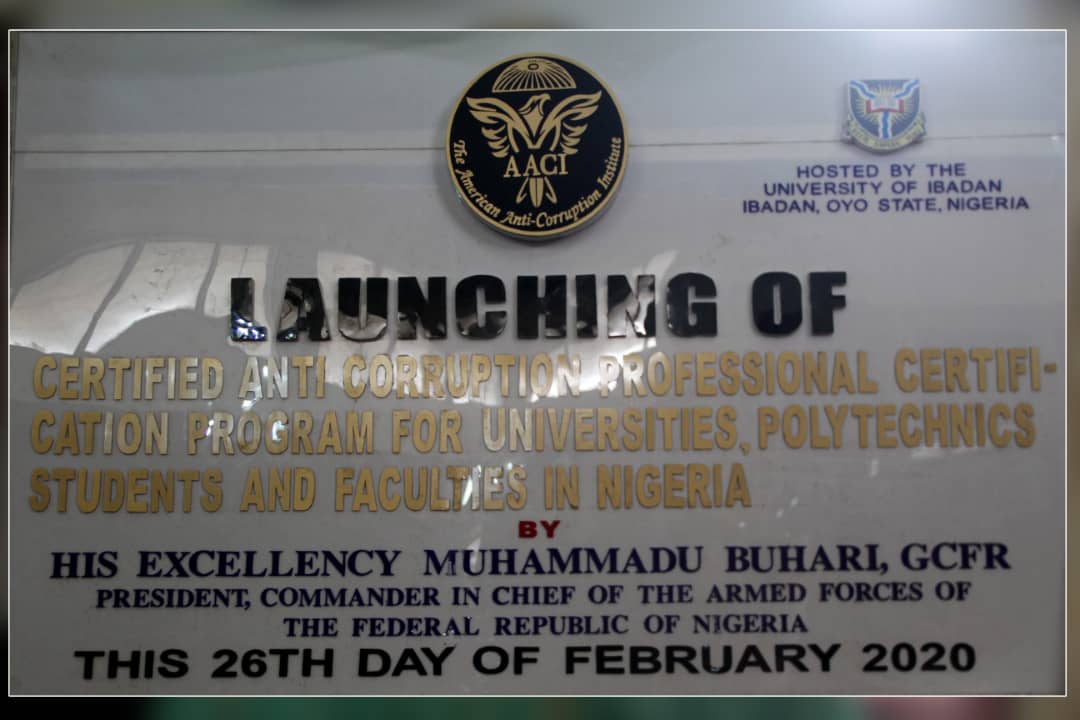
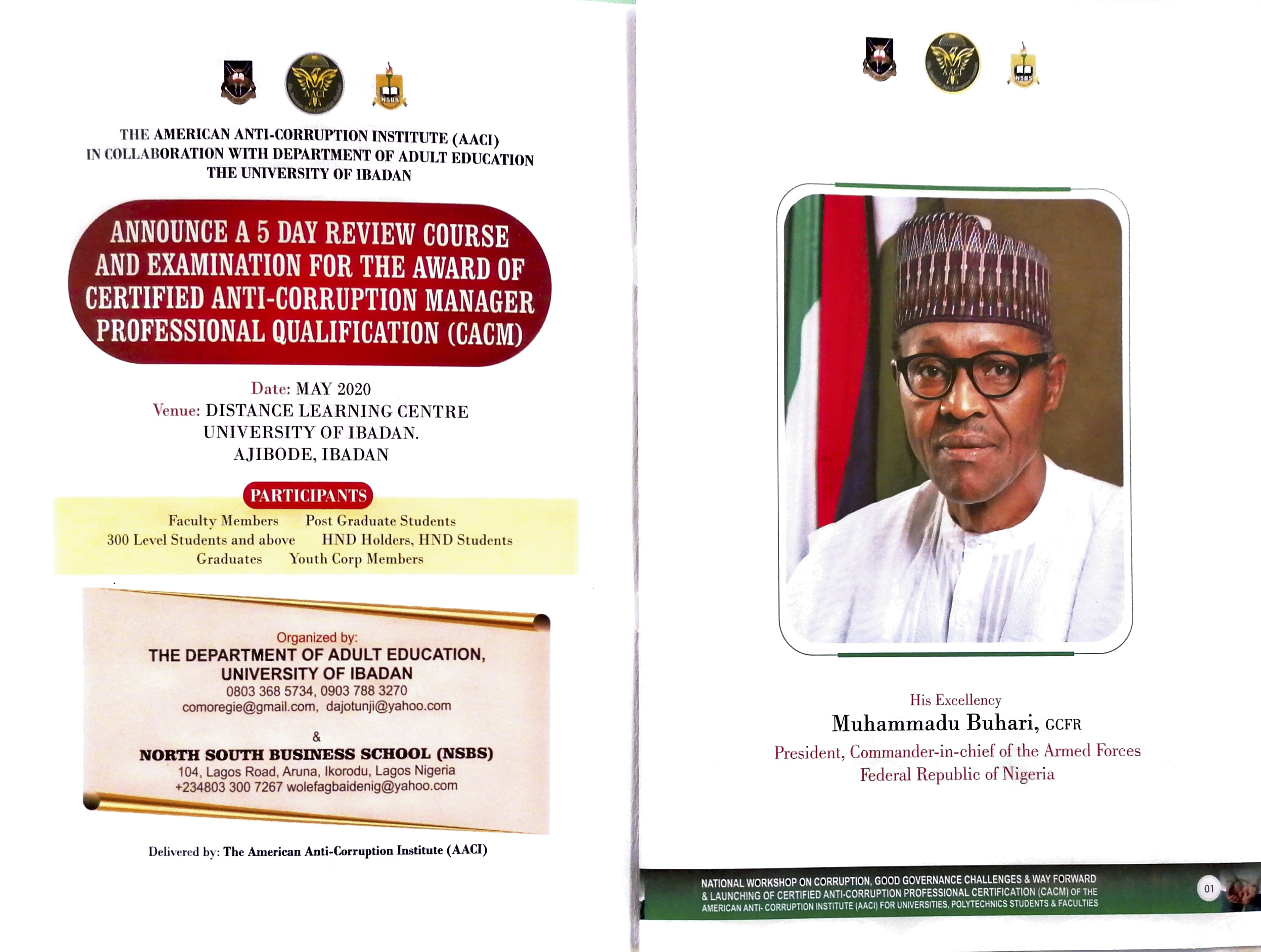
Launching The AACI’s University Initiative in Africa


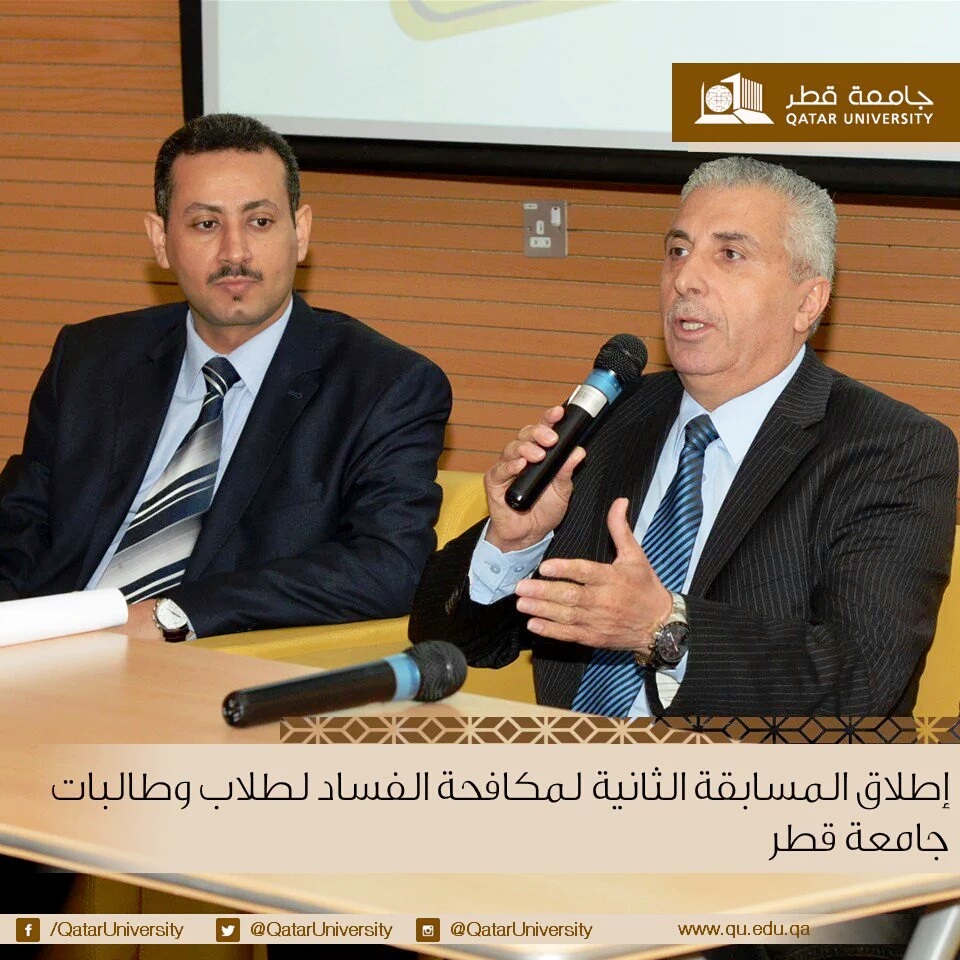
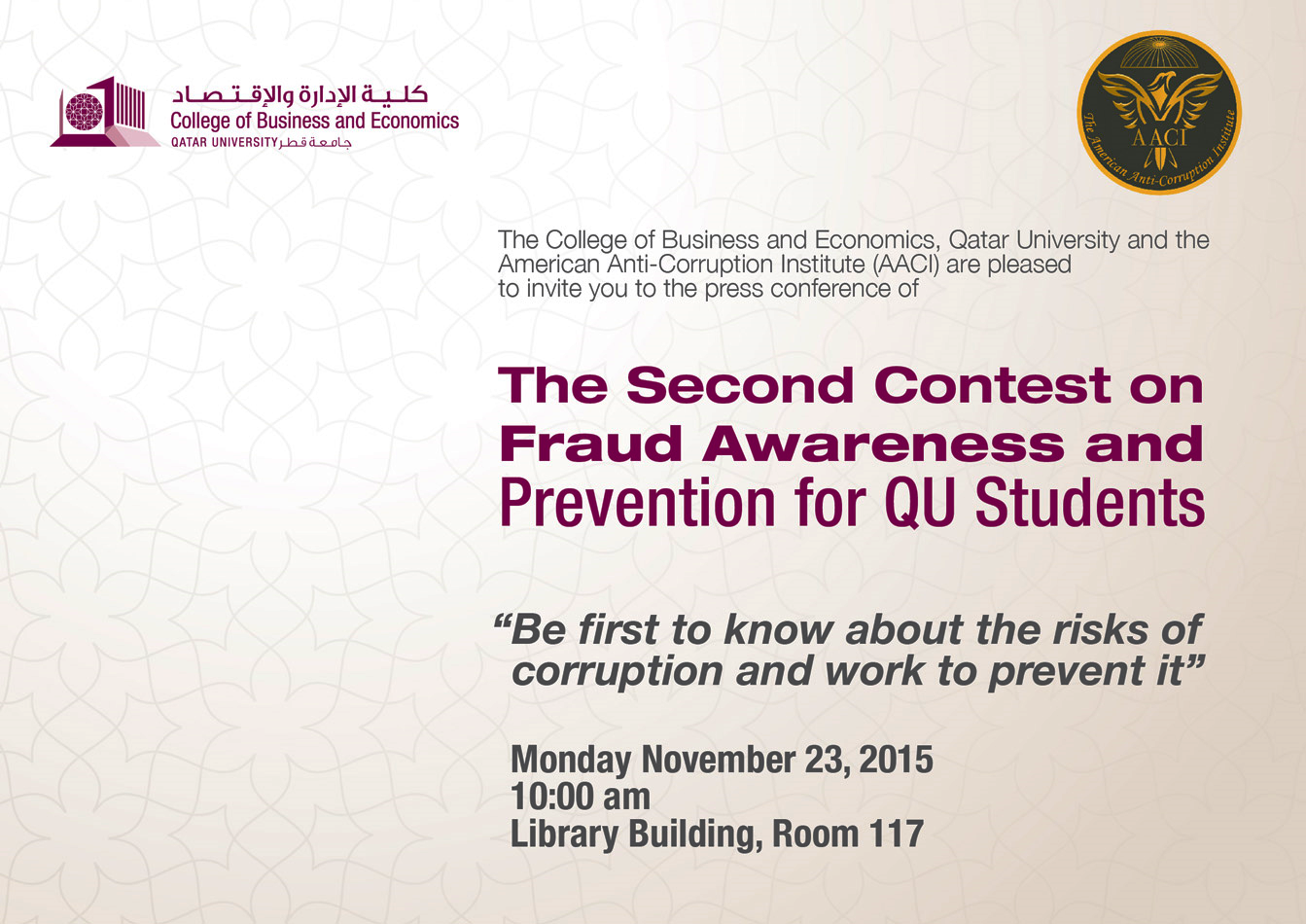
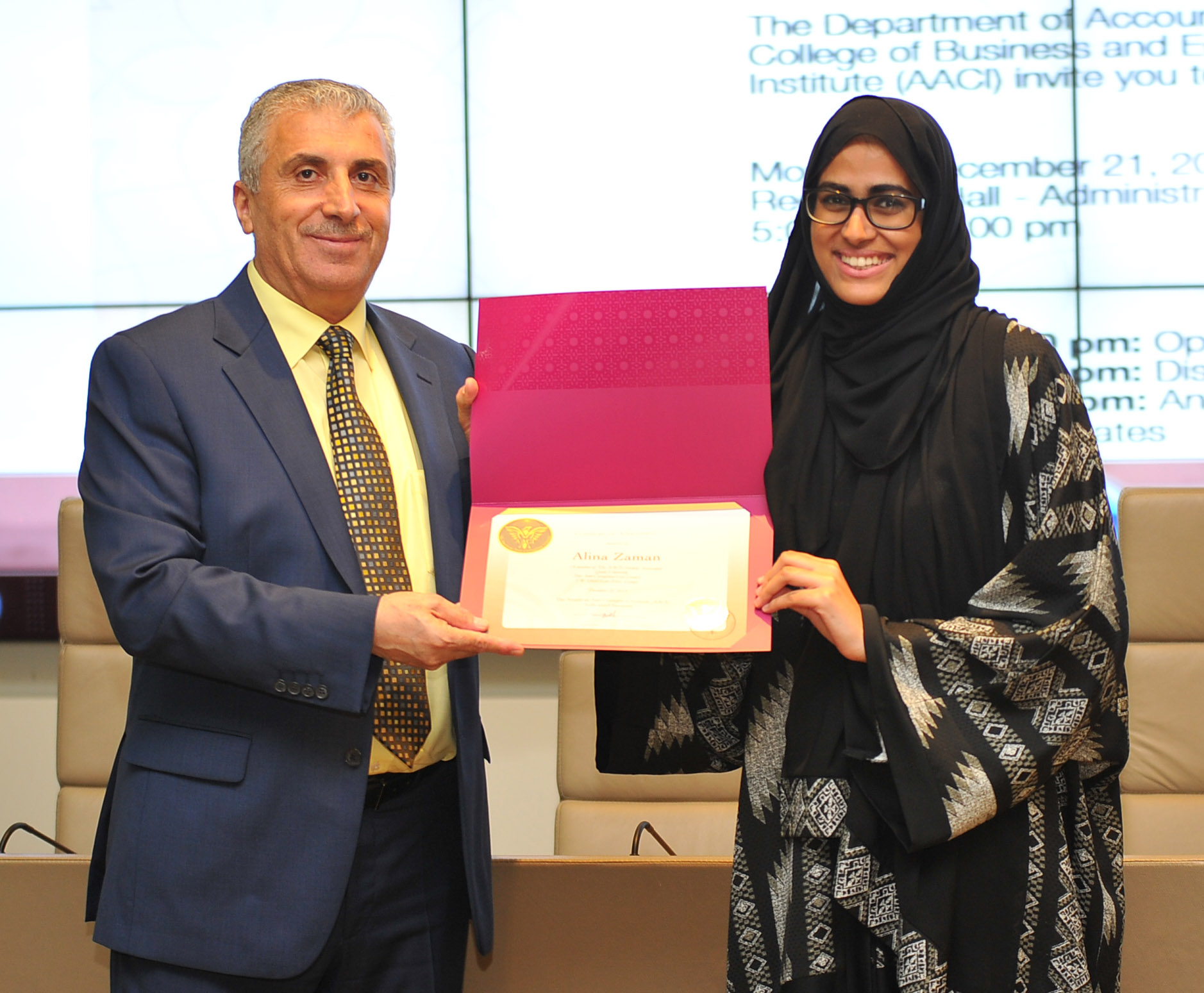
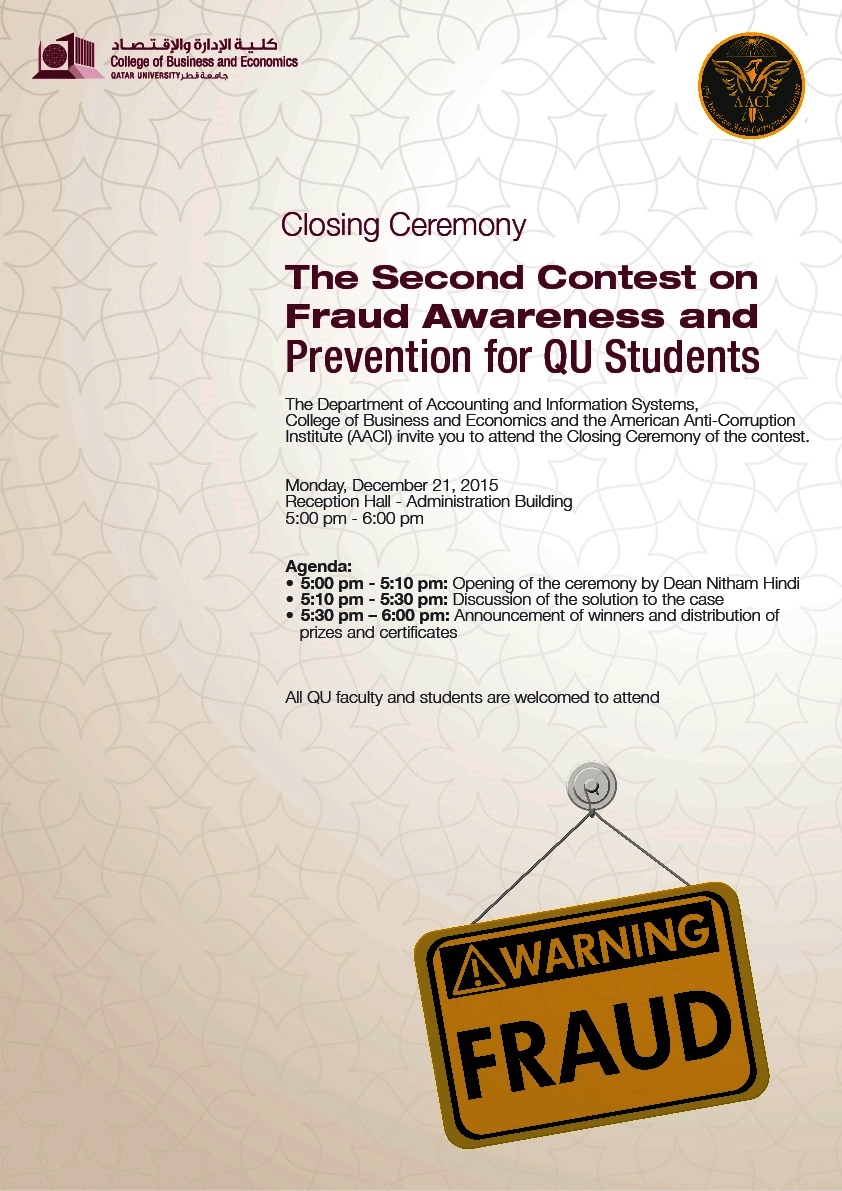
Anti-Corruption Case Contests at Qatar University


The AACI in Qatar, 2013
University of Ibadan: The First African University Leading the Fight Against Corruption
Recent Posts
- Competence Is Not a Soft Skill. It Is a National Safeguard.
- Anti-Money Laundering and Governance: Challenges, Failures, and Pathways to Ethical Leadership
- Why Corruption Is Discovered Too Late
- No News Is Not Good News: The Illusion At The Top
- Integrity under the microscope: the white flags leaders cannot fake
The AACI’s View
They are the official opinions of The American Anti-Corruption Institute (AACI). Our vision, mission, and code of ethics provide the guidelines for our views. When we issue an opinion or express our perspective on a relevant matter, we expressly state that this is The AACI’s view. We publish our beliefs, ideas, and attitudes on our websites (theaaci.com, theaaci.net, and theaaci.org), The AACI official blog, and The AACI social media accounts ( Facebook, Twitter, and Instagram)
Certified Anti-Corruption Manager (CACM)
CACM Review Course and Exam
University of Ottawa


Opinions
The AACI publishes opinions and contributions written by some of its employees, management, and directors. It also publishes contributions from other experts, academicians, and professionals.
Views and opinions expressed under “Opinions” of this blog or at The AACI’s website are those of the authors and do not necessarily reflect the official policy or position of any other agency, organization, employer or The American Anti-Corruption Institute (AACI).

Categories
Archives
Anti-Corruption Resources (Arabic)
- المعهد الأمريكي لمكافحة الفساد
- ترخيص المؤسسات للوقاية من الفساد
- قواعد الشفافية والحماية من الفساد وتأثيرها على توفير بيئة تشريعية داعمة لقضايا المرأة
- مدير مؤهل لمكافحة الفساد
- مصادر بالعربية:مأسسة الوقاية من الفساد
- نشر المعرفة المتخصصة والإستثمار في الوقاية من الفساد
- الدور الفعّال للقطاع الخاص في الوقاية من الفساد
- دور مجلس الإدارة والإدارة التنفيذية في الوقاية من الفساد والاحتيال
- دور الجامعات العربية في الوقاية من الفساد
- المواطن العربي البسيط : مدير مؤهل لمكافحة الفساد
- الفساد في القطاع الصحي: الشرق الأوسط وشمال إفريقيا
- سيادة القانون: الفجوة ما بين الإرادة السياسية والتطبيق
- الحوكمة في قطاع الخدمات الصحية
- مكافحة الفساد بين الواقع والمأمول